The Allure of Chance
The allure of gambling primarily stems from the unpredictability and excitement that chance offers. Players are often drawn to the idea of winning big with a single bet, which activates a core human instinct for risk-taking and adventure. This thrill is amplified by the anticipation during gameplay; each spin or roll creates a lingering hope that fortune might smile upon them, leading to a significant reward. In this context, players may seek opportunities at an online casino to explore various games and strategies.
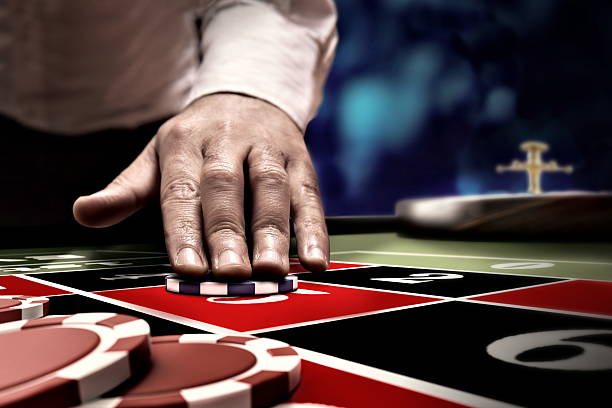
Moreover, the surprising outcomes in casino games can evoke strong emotional responses. Whether a player wins or loses, the excitement and adrenaline rush are palpable. This intense emotional experience reinforces the behavior, encouraging players to return in hopes of recreating that euphoric moment, ultimately creating a cycle of repeated play.
The Role of Rewards
Reward systems in casino games are expertly designed to keep players engaged. Positive reinforcement plays a crucial role in the psychology of gambling. For instance, small wins can serve as significant incentives, triggering the brain’s reward center and promoting feelings of pleasure. This creates a conditioned response where players seek out these rewarding experiences, often returning to the casino for another attempt to hit the jackpot.
Additionally, casino operators strategically employ loyalty programs and bonuses, further intensifying the lure. These rewards not only provide immediate gratification but also foster a sense of belonging among players. The promise of future rewards reinforces their connection to the casino, making it more than just a venue for games, but a valuable community.
The Environment and Design of Casinos
The ambiance and design of casinos play a pivotal role in attracting and retaining players. Casinos are meticulously crafted to provide an immersive experience, often featuring bright lights, engaging sounds, and enticing décor. This sensory overload is intentional, designed to distract players from the passage of time and loss of money, keeping them engaged for longer periods.
Furthermore, the layout of casinos promotes a sense of excitement and exploration. By strategically positioning games and amenities, players are encouraged to wander and discover new opportunities for winning. This deliberate design creates an environment where gambling feels like a continuous adventure, fueling the desire for more playtime.
The Social Aspect of Gambling
The social dynamics inherent in casino gaming also contribute significantly to player retention. Many players enjoy the camaraderie found in a casino setting, where they can share their experiences, celebrate victories, or commiserate over losses. This social interaction enhances the overall experience, transforming what might otherwise be solitary play into a community-centric activity.
Additionally, tournaments and multiplayer games provide opportunities for players to engage with one another, fostering competition and a shared sense of excitement. These social engagements not only enhance the thrill of gambling but also create lasting relationships, motivating players to return for both the games and the connections they’ve made.

Conclusion: The Importance of Understanding Casino Player Psychology
Understanding the psychology behind casino games is essential for both players and operators. For players, awareness of these psychological tactics can lead to more responsible gaming choices and an understanding of why they are drawn back time and again. Recognizing that these environments are designed to captivate can help players engage in gambling more mindfully.
For operators, leveraging this understanding can enhance player experiences and increase loyalty. By creating environments that foster connection, excitement, and reward, casinos can continue to attract players. Ultimately, recognizing these psychological elements is vital in cultivating a responsible and enjoyable gaming environment.